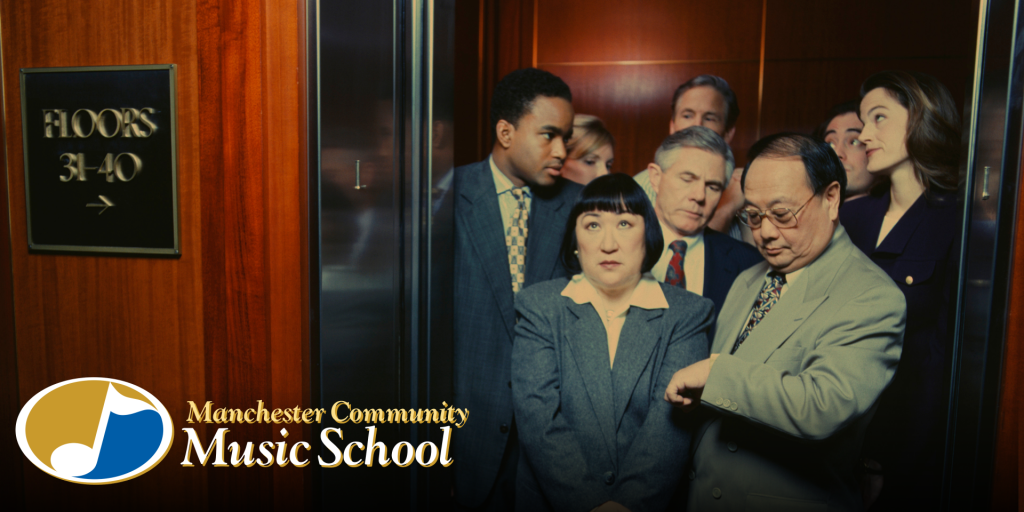
In the mid-20th century, you couldn’t escape it. Whether you were riding in an elevator or
sitting in a dentist’s office, you were surrounded by the bland and instantly forgettable
sounds of music. This was “Muzak,” a brand of music so dominant it became the
universal shorthand for background noise. It was the world’s most polite music,
transforming rock anthems into something even your grandmother could listen to. But
today, the sweeping strings of “elevator music” have vanished, leaving us alone with our
inner thoughts and the awkward sound of silence.
The story begins in the 1920s with Major General George O. Squier. He pioneered
“Stimulus Progression,” a psychological tactic that treated humans like lab rats. The
idea was simple: play perky, instrumental music to trick tired office workers into
forgetting they were exhausted. Muzak boosted productivity. It was musical caffeine,
minus the jitters—an orchestral nudge to keep the wheels of industry turning.
Soon after, music was piped into elevators to reduce fear and anxiety of passengers
due to noisy elevators. Muzak also filled the elevator with sound, making the awkward
silence of riding with strangers more bearable.
By the 1960s, Muzak was everywhere. It was piped into department stores, restaurants,
hotels, airports and even went to the moon with Apollo 11, because nothing says “giant
leap for mankind” like a pan-flute version of a Rolling Stones song.
However, by the 1970s, the charm started to wear thin. To the youth of the day, Muzak
wasn’t just background noise; it was the “The Man” trying to force conformity with soft
flutes and violins. Muzak was “uncool,” and it was fading away.
The final blow came when retailers realized that shoppers didn’t want to be lulled into a
trance. Retailers wanted to curate their own musical playlist and create their own
musical environment. They wanted “foreground music”—actual songs by actual artists
with actual lyrics. What’s more, from a cost standpoint, licensing original songs was
often cheaper than commissioning a full orchestra to pre-record a Muzak version of the
same song.
In 2011, the Muzak company was finally closed, a relic of the past. Today, every coffee
shop and boutique has their own Spotify playlist. Smartphones and earbuds allow each
of us to listen to our own personal “elevator music.” The elevator music of old is gone. It
faded out exactly how it it lived: quietly, in the background, without anyone really
noticing.
 Fun Fact: The name “Muzak” was a mashup of the word “music” and the brand
name Kodak, which the founder admired for its modern sound.