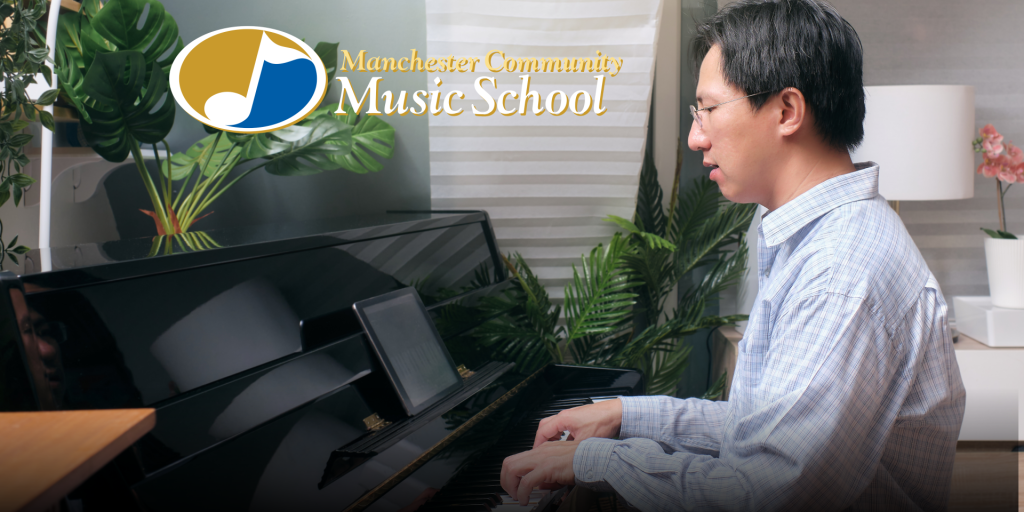
The Soundtrack to Longevity: Why It’s Never Too Late to Pick Up an Instrument by Craig Garner
Research consistently shows that engaging with music—whether through active playing, singing, or mindful listening—provides a “total brain workout” that significantly enhances the quality of life for senior citizens. According to a national poll, 98% of adults aged 50 to 80 report getting at least one health-related benefit from music, most commonly stress relief and mood improvement.
The Cognitive Edge: Keeping Your Mind Sharp
Learning (or relearning) to play a musical instrument in later life acts as a powerful form of cognitive exercise, challenging the brain to decode musical notation and coordinate complex finger movements simultaneously.
Memory Boosting: Just 10 weeks of musical instrument training can improve verbal memory in older adults. Another study found that 16 weeks of piano lessons improved thinking speed and working memory in individuals aged 60 to 80.
Reduced Dementia Risk: Frequent participation in musical activities is linked to a 35% lower risk of dementia. Furthermore, seniors who have played an instrument for a decade or longer often score significantly higher on tests of memory and spatial abilities than those with no musical background.
Neuroplasticity: The adult brain remains flexible. Learning an instrument encourages the growth of new neural connections, which can help counteract natural age-related declines in brain function.
Emotional and Mental Wellness
Music is more than entertainment; it is a vital tool for emotional health and stress management.
Stress and Anxiety Relief: 75% of older adults use music for stress relief and relaxation. Playing or singing music can trigger the release of endorphins, providing a calming effect similar to meditation.
Managing Depression: Performing or singing in a group is considered a highly effective form of music therapy for senior citizens. For some seniors, clinical music therapy, led by a certified music therapist, can help reduce symptoms of depression, loneliness, or other specific health goals, especially when combined with other therapies.
Nostalgia and Connection: Listening to familiar music from youth can “take you back,” stimulating positive emotions and helping patients with Alzheimer’s recall personal life histories and connect with others.
Physical Health and Social Connection
The benefits of music extend beyond the mind to include physical improvements and social engagement.
Motor Skills and Coordination: Playing instruments like the guitar or piano works out hands, fingers, and eyes, helping to maintain fine motor skills and hand-eye coordination.
Respiratory Health: Learning wind instruments like the clarinet or trombone, or singing in a choir can improve lung function and breath capacity.
Social Activity: Group musical activities, such as community choirs or bands, offer a powerful antidote to social isolation. These settings foster social interaction, a sense of belonging, and meaningful connections with others.
Summary of Health Benefits for Seniors
Benefits
Key Impacts
Cognitive
Improved attention, faster thinking speed, and enhanced memory recall.
Emotional
Reduced anxiety, increased joy, and a greater sense of accomplishment.
Social
Combats loneliness through group rehearsals, performances, and shared interests.
Physical
Lower blood pressure, better sleep quality, and improved motor control.
About the Author:
Craig Garner is a respected community leader and business professional based in New Hampshire who brings thoughtful leadership and a strong commitment to community service. As Chair of the Board of Directors for Manchester Community Music School (MCMS), Craig helps guide the organization’s mission to provide high quality music education and music therapy services to individuals of all ages and abilities. He is passionate about strengthening access to the arts and supporting programs that enrich the cultural life of the Manchester community.
Snow Day Alert:
Closed Monday, February 23rd, due to winter weather. School re-opens on Tuesday the 24th for make-up classes only. NHYE rehearsals cancelled. Happy Winter Break!